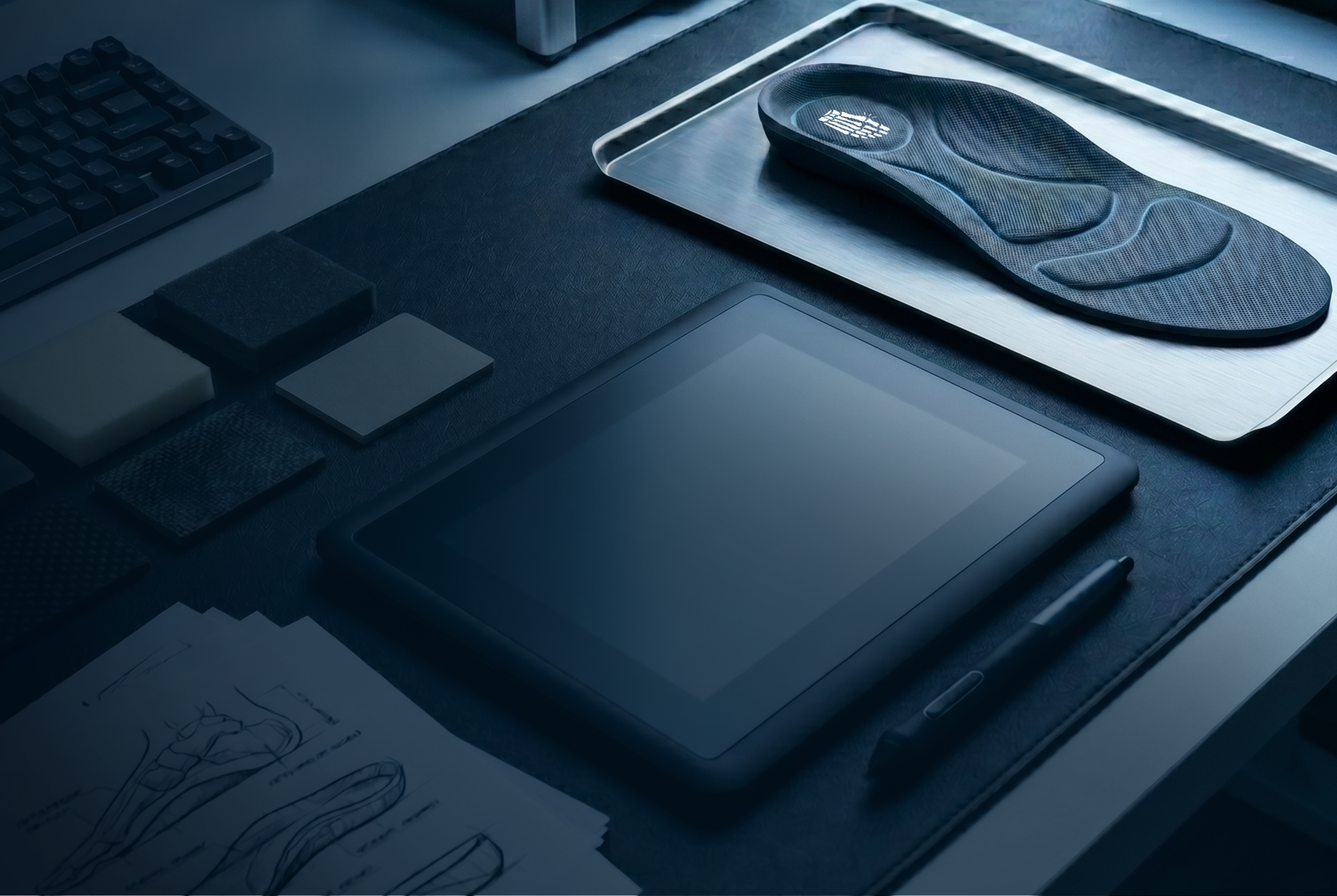
Custom orthopedic shoe last development
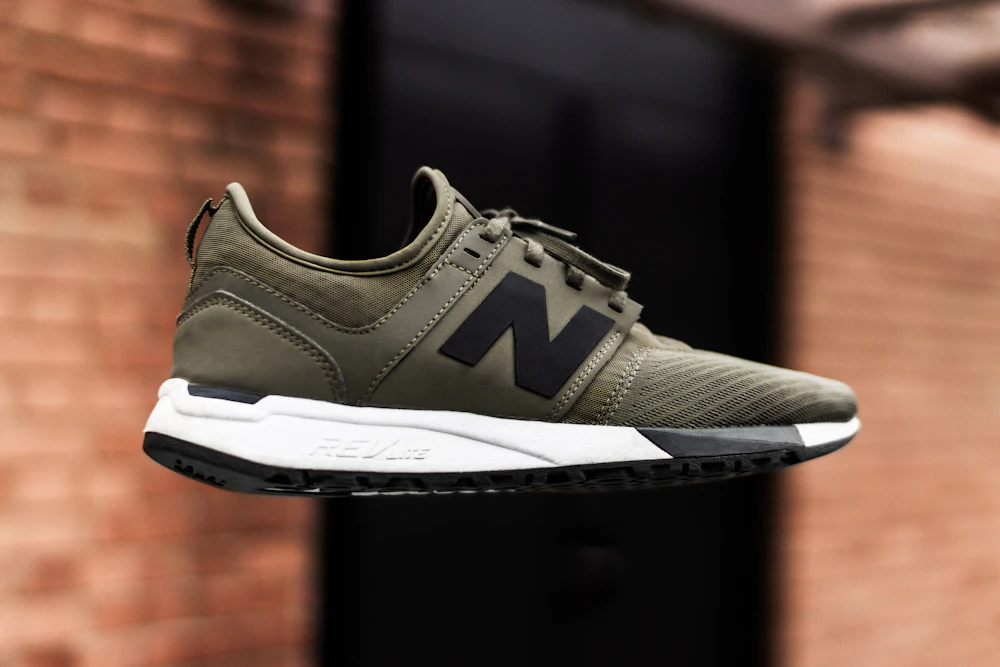
In orthopedic footwear development, precision is everything. Even the most advanced materials and manufacturing technologies cannot compensate for an inaccurate foundation. This is why orthopedic shoe last design remains one of the most critical elements in creating functional, comfortable, and clinically effective footwear.
A shoe last serves as the foundation upon which a shoe is designed and manufactured. Its shape directly influences fit, comfort, stability, biomechanics, and overall footwear performance. For individuals with unique foot structures or specialized orthopedic requirements, a standard shoe last often fails to provide the level of customization needed to achieve optimal results.
At Biomech Studio, we specialize in scan-based orthopedic shoe last development, helping clinics, orthotists, podiatrists, pedorthists, and footwear manufacturers create precision-driven footwear solutions that support both patient needs and manufacturing requirements.
A shoe last is a three-dimensional model that represents the shape and structure of a foot. It acts as the template around which footwear is designed and manufactured.
Unlike standard commercial lasts that are created for average foot dimensions, orthopedic shoe lasts are customized to accommodate specific anatomical features, biomechanical requirements, and clinical objectives.
These customizations may address:
By accurately reflecting the patient's anatomy, orthopedic shoe lasts help create footwear that fits more precisely and functions more effectively.
Footwear precision extends far beyond comfort. The fit of a shoe can influence posture, walking mechanics, pressure distribution, stability, and overall foot health.
When footwear is developed using a poorly fitting last, common problems may include:
A properly designed orthopedic last helps reduce these issues by creating a foundation that closely matches the intended foot shape and clinical requirements.
Traditionally, shoe lasts were modified manually using physical tools and handcrafted adjustments. While effective, this process often required significant time and could be difficult to reproduce consistently.
Today, digital orthopedic CAD workflows have transformed last development.
Using advanced 3D scanning technology and orthopedic CAD software, designers can create highly accurate digital lasts that are customized to each patient's needs.
Modern digital workflows provide:
These advantages make digital orthopedic last development a preferred solution for modern footwear professionals.
The quality of an orthopedic shoe last begins with accurate anatomical data.
3D foot scanning captures detailed information about foot shape, contours, and structural characteristics. This digital data allows designers to work directly from the patient's anatomy rather than relying on assumptions or generalized sizing systems.
Scan-based workflows help ensure:
The result is a custom last that reflects the unique requirements of the individual rather than a generic approximation.
One of the most important advantages of orthopedic CAD development is the ability to incorporate biomechanical corrections directly into the shoe last.
Depending on clinical requirements, modifications may include:
These features help create footwear that not only fits properly but also supports functional movement and long-term comfort.
Today's footwear manufacturers increasingly rely on digital production systems, CNC machining, and advanced prototyping technologies.
Manufacturing-ready orthopedic shoe lasts help streamline these processes by providing:
Digital last development also allows manufacturers to make revisions quickly without rebuilding physical models from scratch.
For podiatrists, orthotists, pedorthists, and orthopedic clinics, custom shoe last development provides several important advantages.
Custom lasts help create footwear that more accurately matches individual anatomy.
Biomechanical modifications can be incorporated directly into the footwear foundation.
Reducing pressure points and improving alignment often leads to greater patient satisfaction.
Digital files can be stored, modified, and reproduced when needed.
Clinics can work more effectively with CAD developers and manufacturers using standardized digital workflows.
At Biomech Studio, we develop custom orthopedic shoe lasts using advanced scan-based CAD workflows and biomechanical design principles.
Our services include:
We work closely with clinics, footwear manufacturers, podiatrists, orthotists, and pedorthists to create digital shoe last solutions that balance clinical functionality with manufacturing efficiency.
As digital technologies continue to evolve, orthopedic shoe last design is becoming increasingly precise, efficient, and scalable.
Advanced CAD systems, 3D scanning, and digital manufacturing workflows allow footwear professionals to create highly customized solutions that were difficult to achieve using traditional methods alone.
The future of orthopedic footwear lies in data-driven customization, where every design decision is informed by accurate anatomical information and biomechanical understanding.
Orthopedic shoe last design is the foundation of precision footwear development. By combining accurate anatomical data, biomechanical expertise, and advanced CAD technology, custom shoe lasts help create footwear that fits better, performs better, and supports improved clinical outcomes.
For clinics, orthotists, podiatrists, and footwear manufacturers, investing in high-quality orthopedic shoe last development is an important step toward delivering more personalized and effective footcare solutions.
At Biomech Studio, we are committed to helping footcare professionals and manufacturers achieve greater precision through advanced orthopedic CAD development and manufacturing-ready shoe last design.

Biomechanical correction plays a critical role in developing effective orthopedic footwear solutions.
June 10 2026